






Offbeat
Remote ID system will log aircraft identity and location as ministers try to stop rogue flyers grounding airports
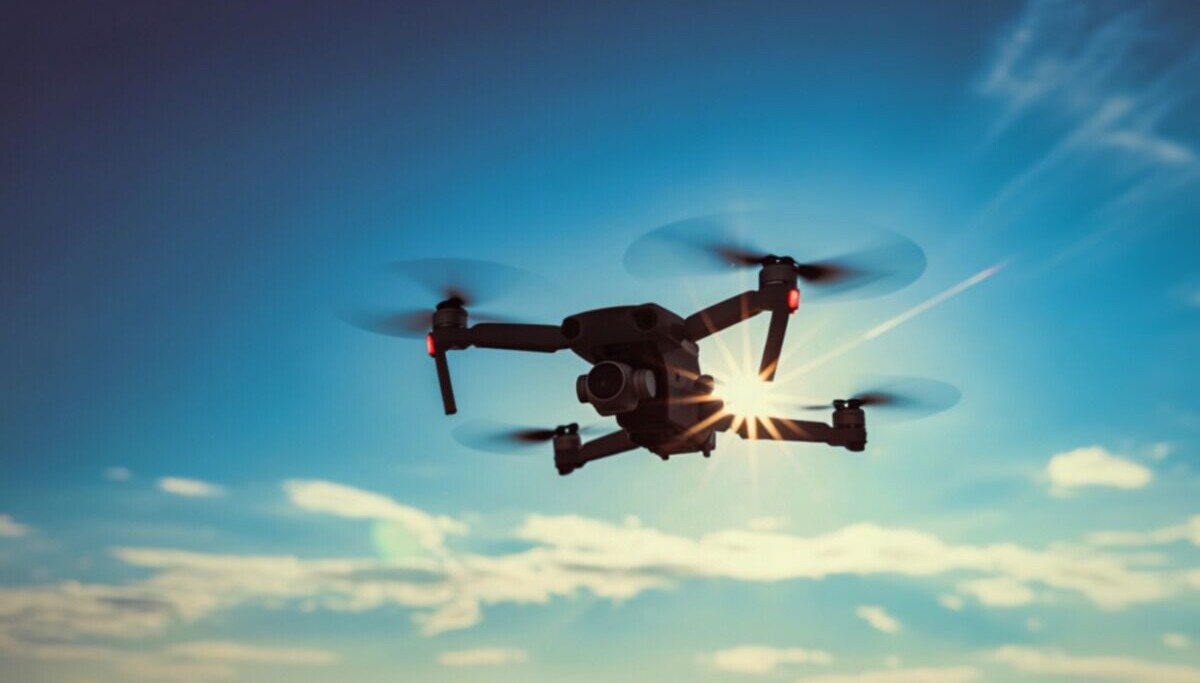
The UK will spend £20.5 million developing “a numberplate system
for the skies” that will centrally record the identity and location
of drones when in flight.
From the start of this year, the Civil
Aviation Authority (CAA) has required some drones to fly with Direct
Remote ID enabled, broadcasting identity and location to nearby
devices, with more covered by the requirement from the start of 2028.
The new system will use Hybrid Remote ID, in which drones also pass on this data via the internet for recording on a secure online system.
The plans are broadly analogous to
the Home Office’s automatic numberplate recognition (ANPR) camera
system that monitors road users, although in this case the drones will report the data themselves.
“This funding will create a
numberplate system for the skies,” said security minister Dan
Jarvis. “Law enforcement will be able to identify and take action against
those who break the law, taking drones out of the sky and protecting
the public.”
Unidentified drones have disrupted
several airports, including Munich last October. CAA chief executive Rob Bishton said last November that it was only a matter of time before something similar happened in the UK following incidents at two Belgian airports.
The Department for Transport is trying to prevent the release of a
document on the lessons learned from the 2018 drone disruption at London Gatwick Airport.
In February, the government granted
the armed forces authority to take out drones threatening
military bases after the Ministry of Defence said there had been 266
sightings of unauthorized drones near military sites in 2025, up from
126 the year before.
Along with setting up the
“numberplate” system, the government said it would spend £26.5
million on regulatory changes including faster approvals and a
streamlined application process for the use of drones in emergency
responses, medical logistics, and infrastructure inspection. It wants
to see flying taxis in the UK’s skies from 2028. ®