








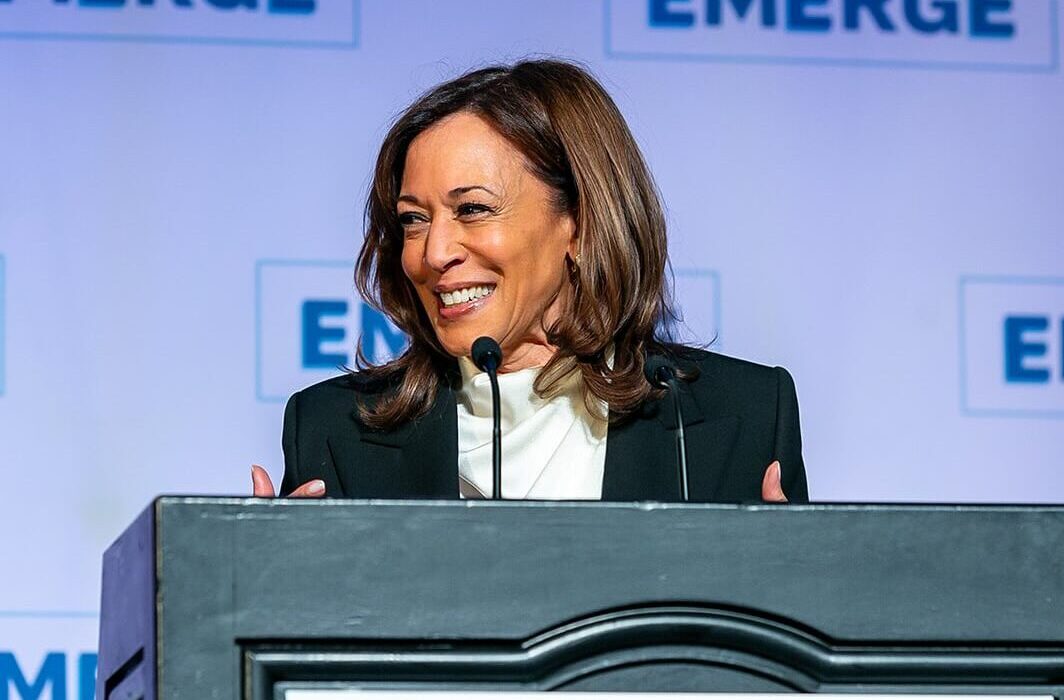
Kamala Harris posted a pointed message on Instagram this week, naming redistricting as a tool to silence voters. The post confirmed she had spoken with Tennessee state representative Justin Pearson about the fight for voting rights.
The caption kept things direct. Harris wrote, “You can redraw districts, but you cannot erase the power of the people.” She added that the conversation covered “our continued fight for voting rights — even in the face of efforts to silence and divide us.”
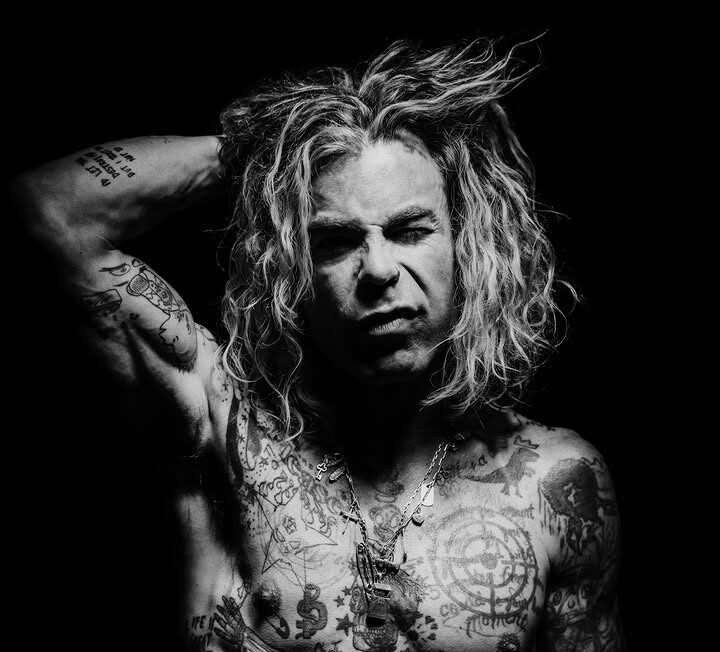
Pearson is one of the more recognizable names in state-level progressive politics. He drew national attention in 2023. The Tennessee House expelled him. He had joined a protest on the chamber floor following a school shooting in Nashville. His district’s county commission reinstated him shortly after. Since then, he’s been a steady voice on both gun reform and voting access. His story illustrated something important. Political institutions can push back hard on dissent, even from within their own walls.
Harris’s framing here is deliberate. She’s spent years arguing that redistricting and voter-ID laws aren’t isolated disputes. She frames them as coordinated efforts to suppress votes and divide communities. Pairing with Pearson plants that argument at the local level. These fights get decided state by state, district by district, not in Washington.
The post didn’t announce new legislation or a formal coalition. But it’s a public statement of alignment between a national political figure and a state rep. Pearson has personally felt the weight of political retaliation. That combination reads as more than a casual social media mention.
Redistricting fights have been heating up across multiple states in recent months. The debates are getting louder heading into upcoming election cycles. Harris’s post puts her clearly in the camp that sees these battles as part of a larger, organized effort. She’s not treating each new district map dispute as a standalone problem.
For Pearson, the visibility matters. His work has centered on helping communities in Tennessee understand how redrawn district lines affect their political voice. Gerrymandering has been a persistent issue in the state. A public mention from Harris connects his work to a much wider audience.
Harris held the voting rights portfolio during the Biden administration. She was tasked with leading the White House’s push on voter access legislation. That effort stalled in Congress and drew real criticism. She’s kept voting rights a central part of her public work. This week’s post fits that pattern.
There’s no specific event or bill attached to the Instagram message. It’s a statement of shared purpose from two people who’ve each faced real friction on this issue. Whether it leads to something more coordinated remains to be seen. But Harris is clearly using her platform to amplify a state-level fight. And putting Pearson’s name front and center signals she thinks his work deserves a wider audience.