


You have full access to this article via your institution.
Hello Nature readers, would you like to get this Briefing in your inbox free every day? Sign up here.
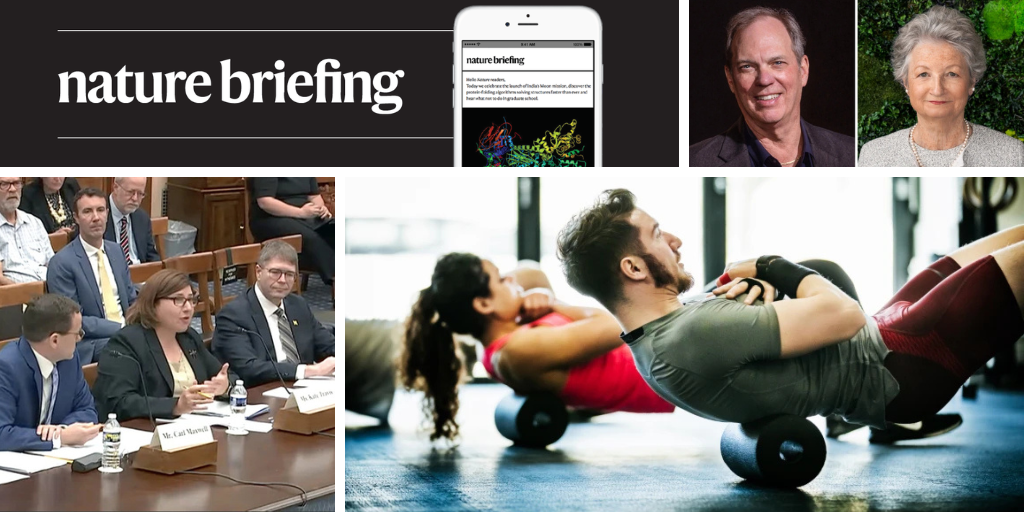
David Hertzog (left) and Katherine High were among the winners of this year’s Breakthrough prizes.Credit: Dennis R. Wise & Colin Lenton
Three physicians who contributed to the development of the first FDA-approved gene-augmenting therapy, have picked up one of this year’s Breakthrough prizes — among the most lucrative awards in science. Luxturna, which replaces a faulty gene in the retina with a working one, has been “transformative for one form of blindness that was untreatable”, says retinal neuroscientist Omar Mahroo. Other prizes were awarded to the several hundred collaborators who contributed to a decades-long quest to measure the magnetic properties of the subatomic muon particle, and the scientists whose work led to the first approved CRISPR gene-editing therapy, Casgevy, which treats sickle-cell disease and β-thalassaemia.
Nature | 8 min read
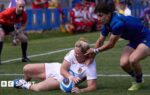
B cells — the ‘security guards’ of the immune system — also provide crucial support for muscles during exercise. B-cell-deficient mice performed worse on strength and endurance tests than did mice with healthy B-cell counts. Researchers found that the absence of B cells lowers the amount of the amino acid glutamate, which is associated with improved mitochondrial and skeletal muscle function, released by the liver. A lack of glutamate in muscle tissue and the bloodstream could explain the decrease in exercise performance, they suggest.
Nature | 4 min read
Members of the deeply divided US House of Representatives seem to agree that issues in scientific publishing deserve more attention from government — but are less united on what that action should look like. A congressional hearing brought together stakeholders to discuss such quandaries as article processing charges, ‘paper mills’ that sell authorships on fake or low-quality papers, and AI-written junk. The hearing follows a provision in the US government’s proposed 2027 budget that would prohibit researchers and universities from spending federal funds on “expensive subscriptions” to academic journals and “prohibitively high” publishing fees.
Nature | 7 min read
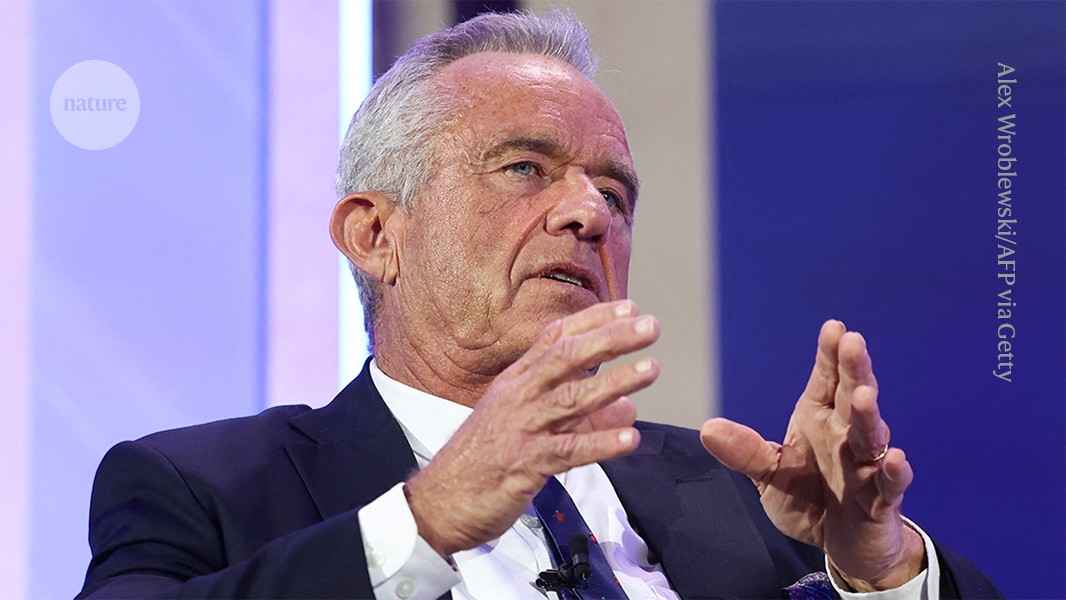
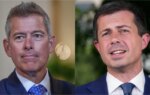
The rise of climate change, artificial intelligence and public health as hot-button issues in the United States has contributed to a record number of researchers running for office in the mid-term elections in November. For example, Nirav Shah, former principal deputy director of the US Centers for Disease Control and Prevention, made the decision to run for governor of Maine because of health secretary Robert F. Kennedy Jr’s anti-vaccine policies. “We scientists are used to sticking to our knitting,” says neuroscientist Sam Wang, who is running in New Jersey. “But I began realizing that science needed defending.”
Nature | 8 min read

Source: 314 Action
Features & opinion
In Unfrozen, political geographers Mia Bennett and Klaus Dodds explore how current climate and geopolitical trends might shape the future of the Arctic. Through discussions of subjects from Indigenous sovereignty to military infrastructure — and plenty of hot and cold metaphors — the authors describe three near-future scenarios for the region, and the factors that could drive us towards each of them. The pair “make the complex accessible and the mundane memorable” in their “comprehensive, informative and entertaining” book, writes polar researcher Charlotte Gehrke in her review.
Nature | 6 min read
When a piece of code you’ve written spits out the wrong thing, you’re thrown into “a detective story where you are both the investigator and the murderer”, says software engineer Andreas Zeller. To help you investigate, Nature asked computing specialists to share their top debugging tips. One approach is to build in commands that reveal the code’s internal state as it runs to help you spot when the error arises. Sometimes, just voicing your problem aloud can help you work out what’s wrong, says Zeller. And when all else fails, step away and “touch grass”, says Toby Hodges, curriculum director at a computational-skills organization.
Nature | 10 min read
As the Artemis II mission was on its way to the vicinity of the Moon earlier this month, we asked what Briefing readers thought about space exploration now. The answers reflected the complexities of geopolitics, science funding, crewed space travel and science as a source of inspiration.
Nature | 8 min read (PDF file because the print layout is lovely or read it online)
On Friday, Leif Penguinson was bravely venturing near the sheer cliffs of Barranco de Las Angustias, a protected landscape on the island of La Palma. Did you find the penguin? When you’re ready, here’s the answer.
Thanks for reading,
Flora Graham, senior editor, Nature Briefing
With contributions by Jacob Smith
• Nature Briefing: Careers — insights, advice and award-winning journalism to help you optimize your working life
• Nature Briefing: Microbiology — the most abundant living entities on our planet — microorganisms — and the role they play in health, the environment and food systems
• Nature Briefing: Anthropocene — climate change, biodiversity, sustainability and geoengineering
• Nature Briefing: AI & Robotics — 100% written by humans, of course
• Nature Briefing: Cancer — a weekly newsletter written with cancer researchers in mind
• Nature Briefing: Translational Research — covers biotechnology, drug discovery and pharma