
The heart puts pressure on cancer growth | Science
Mechanical forces in the heart prevent tumor expansion in mice Source link










Mechanical forces in the heart prevent tumor expansion in mice Source link

Results are “only the tip of the iceberg” of shadowy paper-mill marketplace Source link
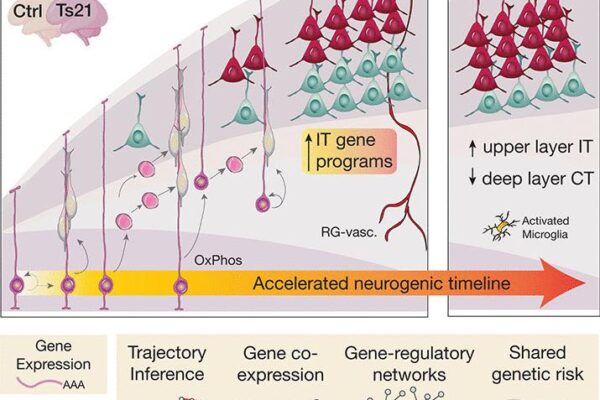
Down syndrome (DS) is the most common genetic cause of intellectual disability, yet the cellular and molecular mechanisms driving this developmental disorder remain unclear. In this study, we profiled human mid-gestation neocortex with snMultiomics … Source link

Analysis of recent in situ data reveals a persistent mode of organic-rich aerosol particles in the stratosphere below 19 kilometers at nitrous oxide (N2O) > 270 parts per billion by volume, with a number geometric mean diameter of ~0.03 to 0.11 μm (0.08 … Source link
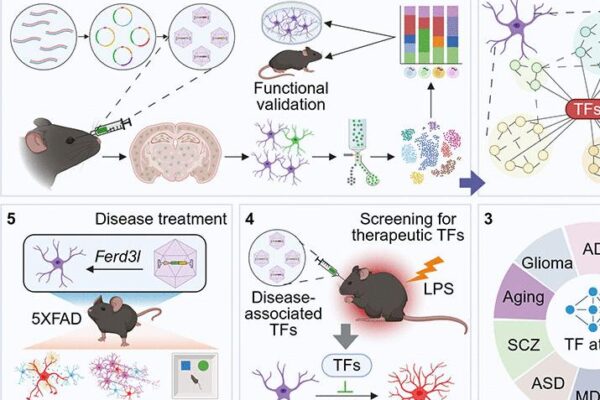
An in vivo approach combining high-throughput screening with cell type–specific readouts could enable elucidation of genotype-phenotype relationships in complex tissues. We developed an in vivo gain-of-function Perturb-seq platform, termed iGOF–Perturb-… Source link
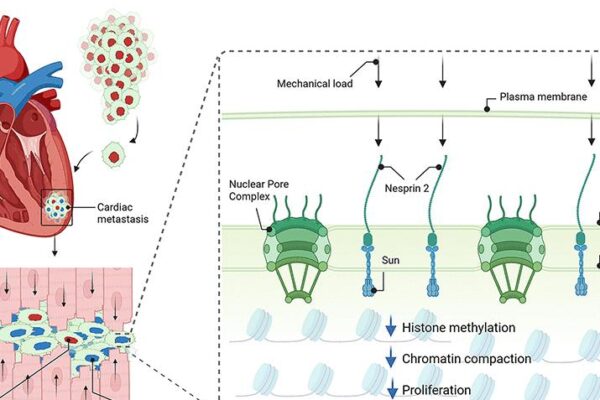
The heart rarely develops cancer, and, at the same time, it lacks regenerative capacity, as cardiomyocytes stop proliferating after birth. This suggests that mechanisms limiting cardiac regeneration may also protect against cancer. In this work, we … Source link

Epigenetics describes how gene expression can be altered without permanently changing the DNA sequence, for example through the chemical modification of nucleotides or regulation of non-coding RNA. Epigenetic mechanisms enable organisms to respond rapidly and flexibly to changing environmental factors, including diet, toxins, and stress. If epigenetic changes affect the germline of an individual organism,…

A marine microbiologist shares the joy and dangers of exploring the deep sea Source link
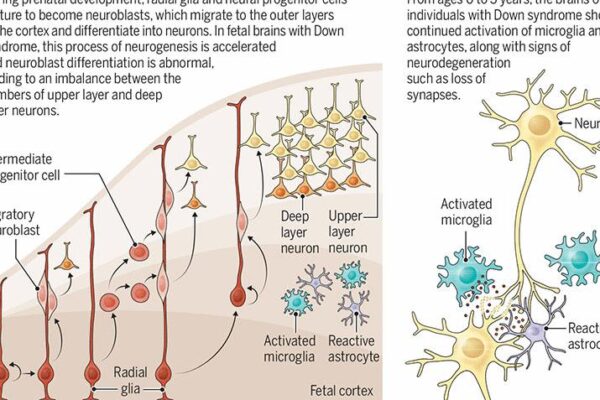
Cell type–specific early hallmarks of Down syndrome are uncovered Source link