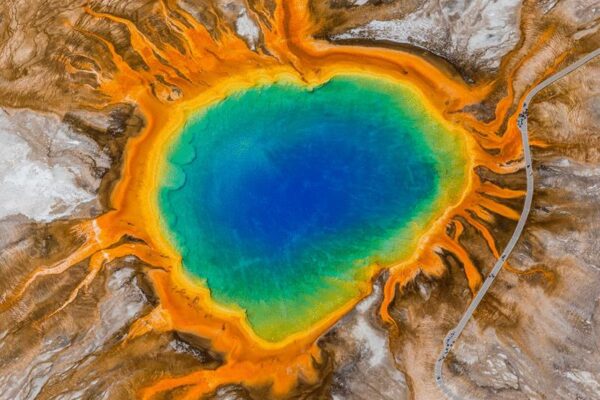
Magma plumbing beneath Yellowstone | Science
Geodynamic modeling helps to elucidate magma formation and movement below Yellowstone Source link








Geodynamic modeling helps to elucidate magma formation and movement below Yellowstone Source link
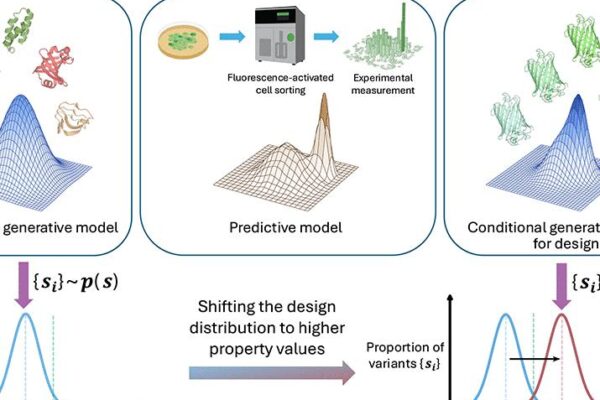
Over the past decades, protein engineering has matured into a field of its own, driven by computational modeling and high-throughput wet lab experiments, with broad application in therapeutics, diagnostics, agriculture, and manufacturing. In recent years,… Source link
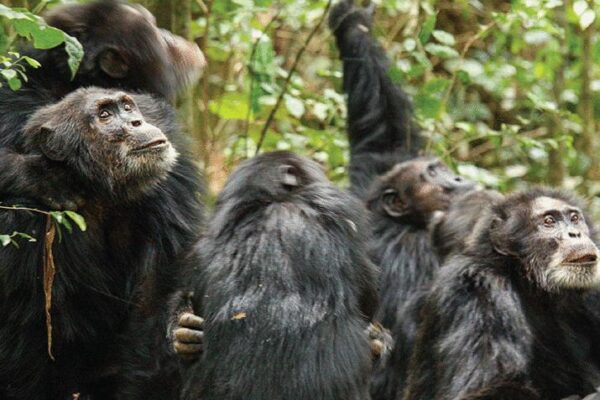
A violent split in a group of chimpanzees highlights the evolutionary roots of war and peace Source link

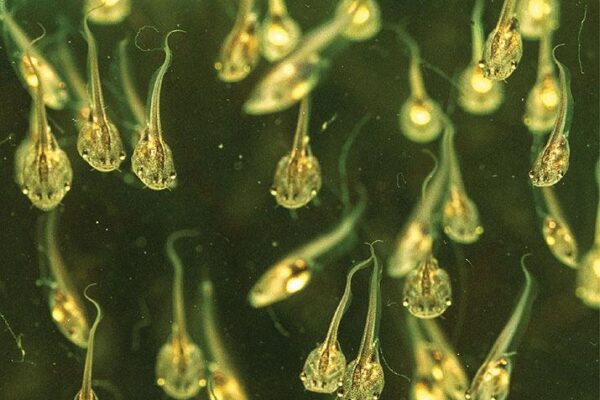
Extrinsic factors can create a local tissue environment that encourages restoration Source link
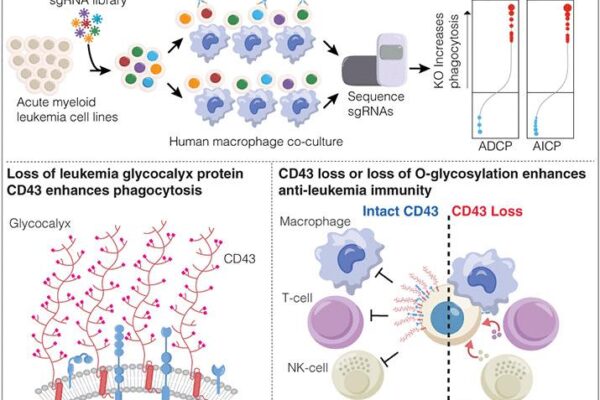
Macrophages exert antitumorigenic activity through phagocytosis, but phagocytosis-enhancing therapeutics have not improved acute myeloid leukemia (AML) outcomes. To identify phagocytosis regulators, we performed CRISPR knockout screens in human AML cells … Source link
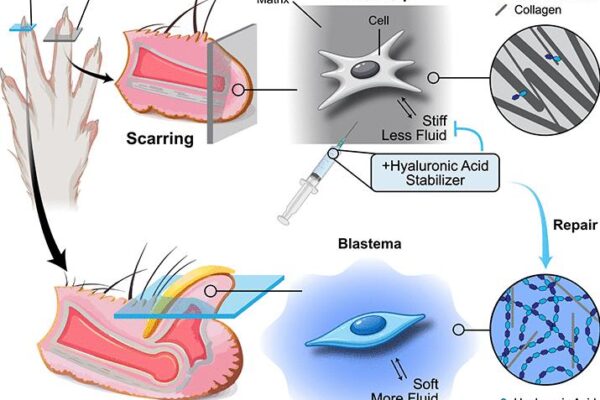
Tissue regeneration is rare in mammals, but the digit tip can regrow after amputation, whereas injuries beyond the nail do not. How the microenvironment drives divergent outcomes remains unclear. In this study, we found that the extracellular matrix (ECM)… Source link
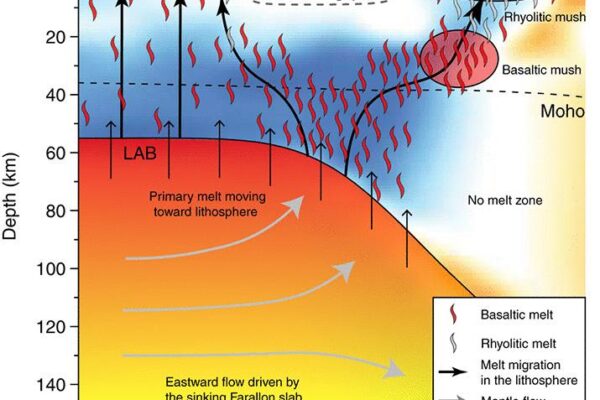
Yellowstone is widely recognized for its crustal magma reservoirs replenished by asthenospheric melts. However, how primary melts traverse the rigid lithosphere and evolve into bimodal volcanism remains unclear. By leveraging multidisciplinary … Source link
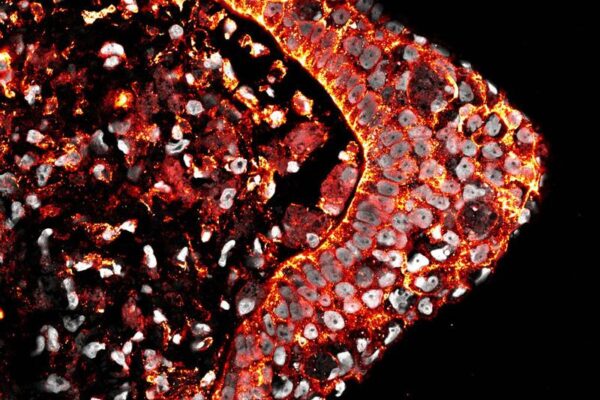
Why mammals cannot regenerate limbs like amphibians do presents a long-standing puzzle in biology. To uncover the underlying differences, we compared amputation responses of embryonic mouse (Mus musculus) and Xenopus laevis tadpole limbs. Lowering … Source link
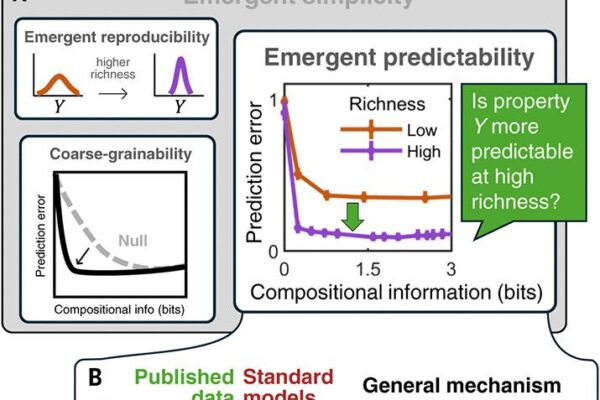
A long-standing hypothesis of microbial ecology is that simple patterns might persist despite community complexity or even emerge because of it. However, the concept of “emergent simplicity” remains partly intuitive. Here, we defined emergent … Source link