








How 5 Different Countries Are Supporting Women in Science

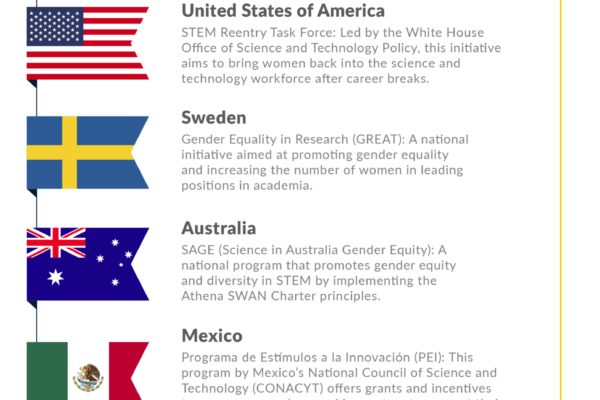
Gender equity in science remains a critical global issue, with women continuing to be underrepresented in various scientific fields. Recognizing the importance of harnessing diverse perspectives and talents, countries worldwide are making concerted efforts to support and empower women in science. See also: Open Access and Gender Equity in Academia The below infographic delves into the…

Read More

Reporting Guidelines Essential for Biomedical Journals Publishing AI-Related Research

In the rapidly evolving landscape of medical research, artificial intelligence (AI) has emerged as a transformative force, revolutionizing the way diseases are diagnosed, treatments are administered, and patient outcomes are predicted. As AI becomes increasingly integrated into medical practices, it is imperative for medical journal editors to establish comprehensive guidelines to ensure the integrity, transparency,…

Read More

Five Reasons Universities Should Provide Intellectual Property Rights Training for Researchers

In the dynamic landscape of academia and research, the importance of understanding intellectual property (IP) rights cannot be overstated. As universities continue to foster innovation and push the boundaries of knowledge, equipping their researchers with comprehensive training on intellectual property rights emerges as a crucial endeavor. Here are five compelling reasons why universities should prioritize…

Read More

Baidu, Tencent, and Alibaba: An Introduction to China’s Tech Giants

Academic publishers are attempting to make inroads in China, considering the country’s growing investment in R&D and research output, as covered in a previous post. However, China’s unique characteristics make localizing a comparatively challenging task for publishers. Building a digital presence in China requires them to pay attention and adapt to relatively unique local conditions. Publishers…

Read More

A Step Towards Open Research Information: FAQs about the Barcelona Declaration

Research information—information about how research is conducted and communication (e.g., citation metrics)—is critical for tracking an individual’s or institution’s performance, developing policies around research and science, and ensuring equity in the scientific community. Currently, the most popular databases of such information (Web of Science, Scopus, etc.) are proprietary, and data can be accessed only after…

Read More

AI Safety Aspects That Universities, Publishers, and Journals Need to Understand

AI safety refers to the field of research and practices aimed at ensuring that artificial intelligence systems are developed and deployed in a manner that minimizes risks and maximizes beneficial outcomes for humanity. AI safety encompasses a wide range of concerns, including: Robustness and reliability: Ensuring that AI systems perform as intended under various…

Read More

From Lab to Market: Commercializing University Research While Protecting Intellectual Property

Universities are still the main engines that drive scientific and technological progress, and any time a novel technology or technique is developed at a university, inventors and their institutions have the unique opportunity to commercialize their innovation with the protection of intellectual property (IP) laws. These protections are vital to helping bring research innovations to…

Read More