







Personal Tech
If you’re not a fan of having AI baked into your OS, look elsewhere
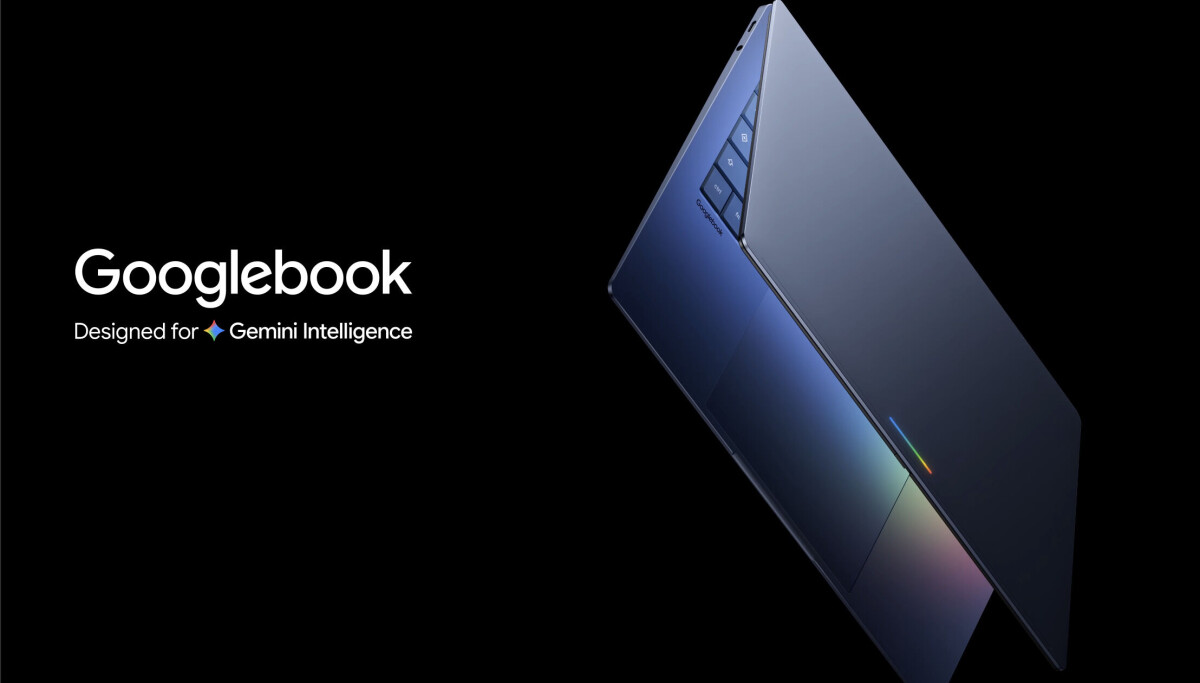
Google is rolling out a new line of laptops based on Android instead of ChromeOS, and using the opportunity to try and move upmarket from the budget-conscious Chromebooks – while also baking AI into every fissure of the system.
The new line of so-called Googlebooks seems even more obtrusive about pushing embedded AI than Windows 11 embedding Copilot into everything. With the OS on Googlebooks, which the company touts as the best of Chrome OS and Android, even moving the cursor over an on-screen task such as the text of an email nags you to offload work to Gemini.
Google was has been publicly planning to merge Android and ChromeOS for a while, with Android boss Sameer Sama saying last year that the Android codebase would be the core of the new platform. This gives the company a chance to break into the premium laptop market, using one of its core assets, the Android ecosystem, to differentiate from the kid-friendly and budget-oriented Chromebook lineup.
While the laptops won’t be coming until later this year, we can already see from the press materials and video demo that this new kind of notebook is meant to out-Copilot Microsoft. One of the main features demoed, Magic Pointer, activates when you wiggle the cursor and shows you contextual suggestions based on what you hover over. For example, in the video, Alexander Kuscher, Senior Director of Laptops and Tablets at Google, showed how hovering over the date in an email brought up options to view his schedule, craft a reply saying “I’m in town on May 19,” or even use Google maps to suggest meetup spots. Having AI crammed into Windows Notepad seems quaint by comparison.
Kuscher also showed how dragging images on a Googlebook can combine them. He dragged a photo of a nursery onto an image of a swath of wallpaper and a picture of a crib and the system generated a picture of the nursery with the crib and the wallpaper included. The Google exec pointed out that an act like combining photos normally involves logging into a chatbot, uploading the photos, and giving it a prompt. Here it was just drag and drop. No word on whether the system can use your photos as training data.
Android apps will also work on Googlebooks, and users will also be able to launch them from the phones, much like Apple’s iPhone Mirroring. In the demo, Kuscher showed Duolingo running in a portrait-shaped window on the desktop operating system as if it were on his phone.
Google said that Googlebooks are being “built with premium craftsmanship and materials” by partners like Acer, ASUS, Dell, HP, and Lenovo. They also sport a Google-colored glowbar on the cover so everyone knows who owns your digital soul.
Considering the RAM shortage and the fact that IDC expects PC shipments to decline by 11.3 percent in 2026, Google has picked a challenging time to come out with a whole new category of laptop. While the company has not released pricing, we can only imagine that Googlebooks will be significantly more expensive than Chromebooks, which are currently in the $200 to $500 range in the US.
These new notebooks are likely to compete with premium consumer Windows and macOS laptops at a time when demand is declining and people are holding onto old devices longer. We see no evidence that Google is even targeting businesses and we doubt IT departments would be interested in the features the company has focused on.
Google also announced the expansion of Gemini Intelligence onto high-end Android devices (i.e., Samsung Galaxy and Google Pixel devices) as part of Tuesday’s I/O preview, noting that it’s designed “to help your phone handle boring tasks for you.” Google provides examples like filling out online forms, summarizing websites, and even rewriting voice-to-text messages to get rid of pauses and other natural speech patterns that detract from the written word.
Speaking of Chromebooks, we asked Google what will become of its budget hardware line with the release of the Googlebook, but we didn’t hear back. We imagine that they will probably continue to serve the educational market for some time.
Google made several other announcements during Tuesday’s presentation, including a new Pause Point feature in the upcoming Android 17 that follows in Apple’s steps by protecting you from your own worst instincts to scroll endlessly or waste half your day playing chess on your phone. It allows you to mark certain apps as “distracting” so that when you launch them, the phone asks you to take a deep breath and reconsider your actions, which is something Apple’s mindfulness app doesn’t do.
To the bane of everyone tired of social media reaction videos, Google is also baking the format right into Android with Screen Reactions that will allow users to capture video of their device screen along with sticking themselves in the lower corner so they can regale everyone with their opinion about whatever they’re talking over. ®