



[SPONSORED CONTENT]
“You’ve got to go into the mud, then come back out.” These words from an art professor 25 years ago still ring in my head when I think about color. This idea that “muddy” color is something to lean into, embracing the challenge of pushing color into a neutral mixture that becomes something rich, descriptive, and personal.
I think about mixing mud a lot when painting outdoors, especially on hazy days, when atmospheric perspective pushes color and light into narrow value ranges. Colors become increasingly neutralized by the scattering of light and the density of particulates in the air.
What You’ll Need
So, what would it look like to embrace the opportunities of muddy colors? Dedicated color studies are a great place to start. Here are some things to consider.
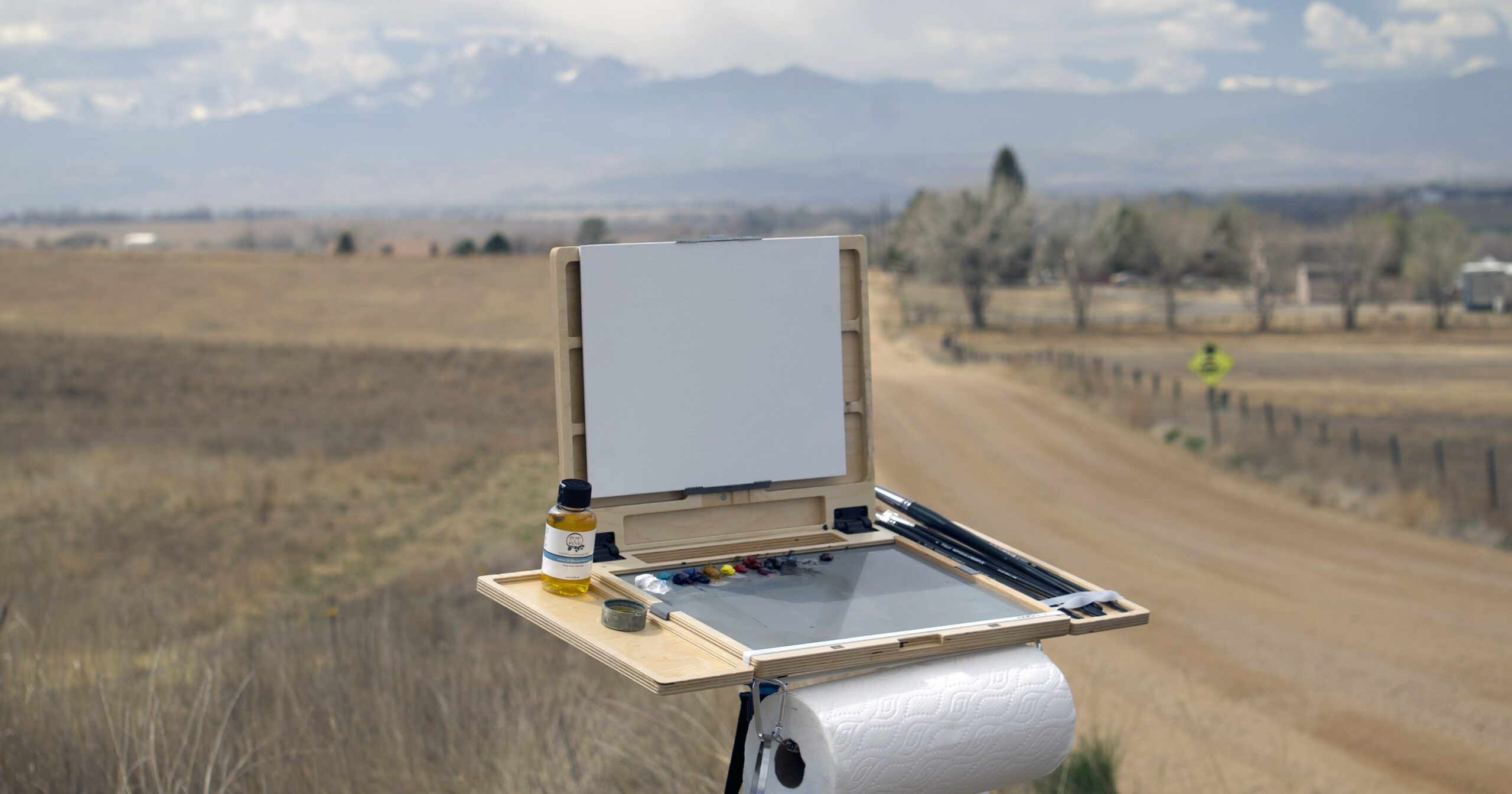
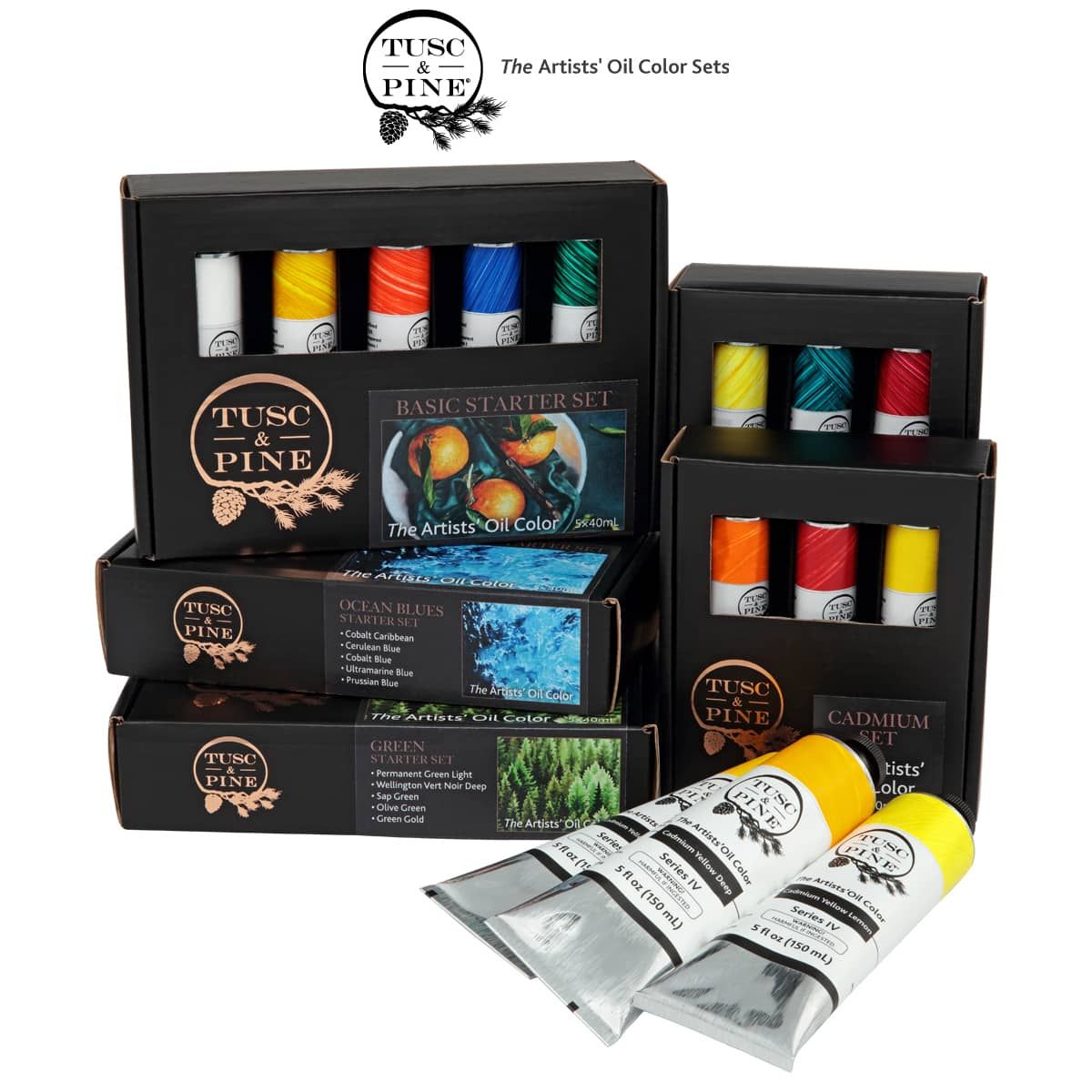
- High-quality paints are a must—the key to pulling colors out of the mud. Working with highly-pigmented and consistent pigments, like the Tusc & Pine paints that I work with. The high performance and mixability affect paint mixtures to a greater degree than lower-quality paints.
- Skip the palette knife. Under normal painting circumstances, a palette knife is a must-have for controlling color mixtures, but this case is different. Here, mixing with high-quality bristle brushes on the palette will help lead to cross-contaminated color mixtures, creating the neutral, “muddy” colors we’re after. This ultimately leads to color harmony as the quality of one color mixture leads to another.
Tusc & Pine Paints
Imperial Hog Bristle Brushes

U.Go Pochade Box

The Painting Process
View the process in this short video, and put these guidelines to work in your own color study experiments. The idea of “going into the mud” can manifest in many ways, but at it’s core, it’s a mindset that encourages a discovery of your unique color identity. When painting starts to feel formulaic and predictable, trying something outside the “rules” can be a path forward, offering the opportunity for new discoveries and deeper connection with color.
1
PHASE 1: The process begins with a quick, initial estimation of the colors. The colors are expected to change and evolve as the landscape is more carefully observed, so the goal is to simply establish a foundation to start the process.
2
PHASE 2: This is where the real work begins. With initial color relationships established in the first phase, the focus turns to sensitive and deep observations of color relationships. Look closely at color temperature and experiment with warm and cool color combinations, such as phthalo and ultramarine blue. Observe how each pigment shifts the temperature of your muddy mixture, as well as the nature of your color mixtures as warm and cool colors are mixed together.
3
PHASE 3: Bring the painting to a close. Try to avoid the temptation to refine the painting and include unnecessary details. In order to maximize the benefit of the color study, prioritize the mixing of the right color, defining basic shapes, and their placement on the canvas. It’s not about creating the perfect finished painting, it’s about using the painting process to develop a deeper understanding of your paints and a stronger understanding of color.
Take some time to “go into the mud, then pull yourself out.” Keep it simple, but make sure you have high-quality paints, a good set of brushes, and an open mind. Painting is a journey, and it’s all the more rewarding when you take time to play.