




As artists, we often consider the issue of scale in terms of the viewer. We connect to larger works on a human scale, thinking about how the work encourages us to consider our own presence in relation to the space. With smaller works, a more intimate relationship is established, in which the work becomes a precious object ready for scrutiny and discovery.
It’s not just the viewer that is impacted by the choice of scale, however. As painters, the scale of our canvas and the marks we make have a powerful influence on our own thoughts and creative energy. If you’re looking to develop a more intimate and expressive relationship with your own work, here are some considerations to help enrich your painting practice.
Working Small
Small, confined marks pull us deeper into our own thoughts. There is a preciousness to working small; it inspires a quieting of the physical self to allow the analytical mind to take over. When thoughts are disorganized or focus is drifting, shifting to a smaller scale can serve as a meditative anchor and reset the mind. The controlled, calculated nature of small movements forces a synchronization between the hand and the mind, effectively “tuning” mental frequencies toward clarity.
Working Large
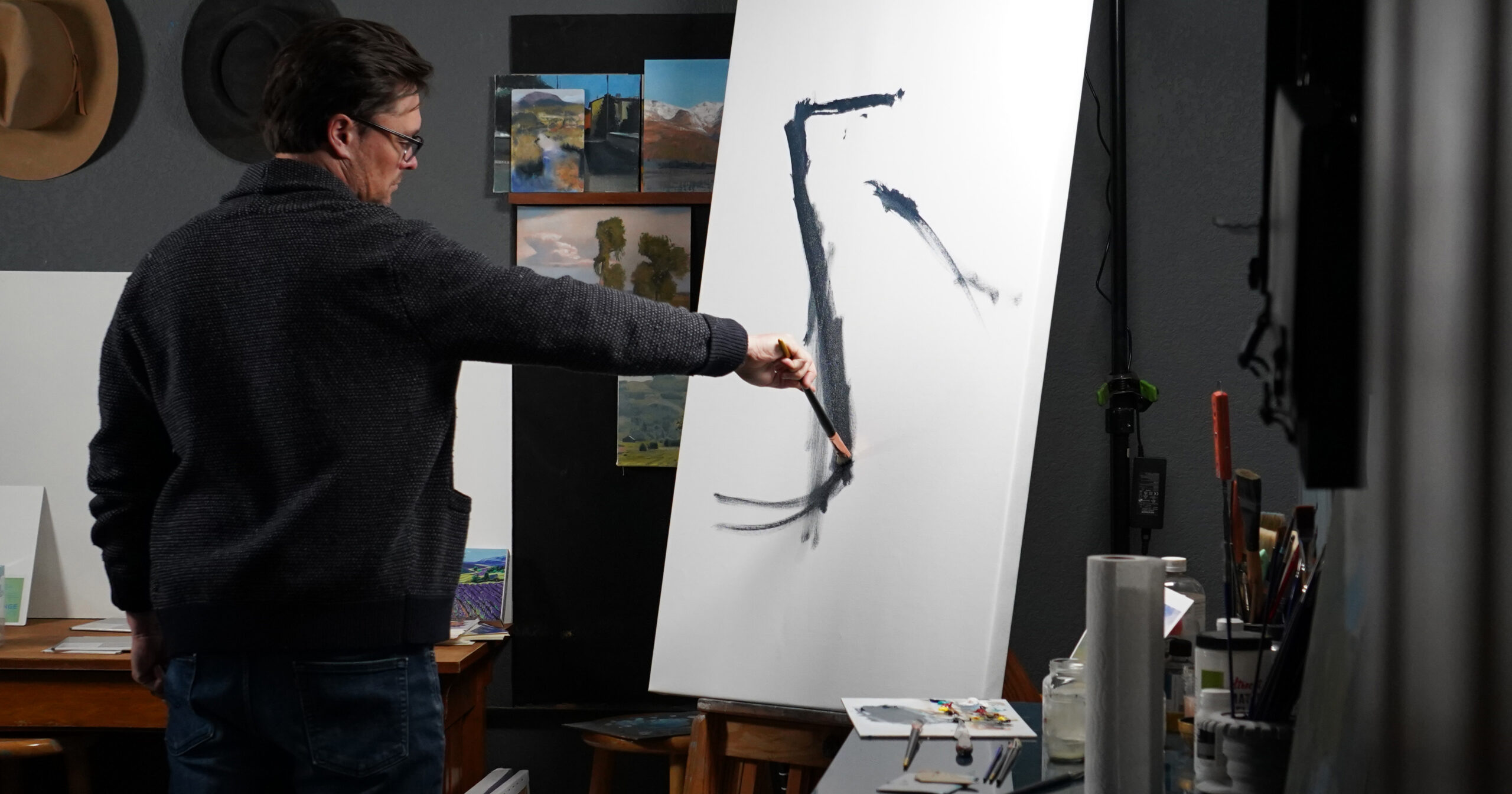
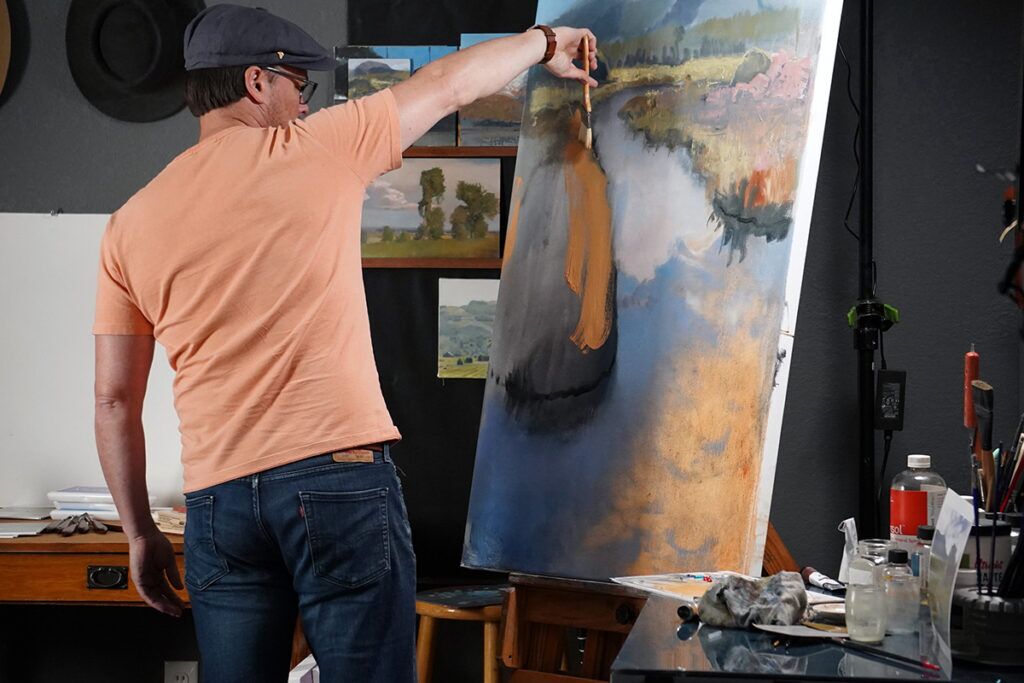
Large-scale marks inspire engagement of the entire body. Marks that span several feet, originate from the shoulder and the hip, rather than just the wrist and fingertips. This physical demand encourages a sense of freedom and emotional response. If you find yourself over-thinking or “tightening up” in your work, increasing the scale can bypass the inner critic. Large marks promote flexibility and responsiveness, allowing the paint to become an extension of your physical energy rather than just a recording of thoughts.
The Two-Way Street
Thoughts become marks and marks become thoughts. Every mark you make originates from a thought, whether on a conscious or subconscious level. There’s a direct connection between mental energy and expressive movements that translate into marks on the page. This direct connection works in reverse as well, with bodily movements and marks having a profound connection with the mind.
In practice, this means you can use scale as a tool for mental regulation:
To calm the mind, use small, repetitive, and highly controlled marks to pull yourself into a state of focused concentration.
If your practice feels stagnant or overly calculated, move to a larger canvas. Use bold, sweeping gestures to invite “expressive impulses” back into the studio.
By identifying which scale aligns with the current speed of your thoughts, you can choose to either support your current state or intentionally transform it.
The Viewer’s Response
When viewers stand before paintings, they’re not just looking at a representation of a subject; they’re “reading” the artist’s body language.
Through the texture, speed, and scale of marks, we communicate our mental state at the moment of creation. A viewer interprets a frantic, heavy impasto stroke differently than a thin, precise glaze. They respond to these visual cues much like they would to a person’s tone of voice or physical posture in a conversation.
Every mark is a record of a decision and a physical movement. When you master the scale of your mark-making, you aren’t just making a bigger or smaller painting—you’re mastering the clarity of your artistic voice.
Practical Guidance for the Studio
1
The Scale Audit: Next time you feel “stuck,” switch your support size dramatically. If you’ve been working on 12×12-inch panels, move to a 48-inch canvas (or vice versa) and take note of how it shifts your heart rate and thought patterns.
2
Match the Speed: If your mind is racing, don’t fight it. Use large, fast marks to “keep up” with your thoughts. If you want to slow down, force yourself into the miniature.
3
Read Your Own Marks: Periodically step back and ask: “What does the ‘body language’ of this brushstroke say about my mental energy today?”
Tools for Sizing Up
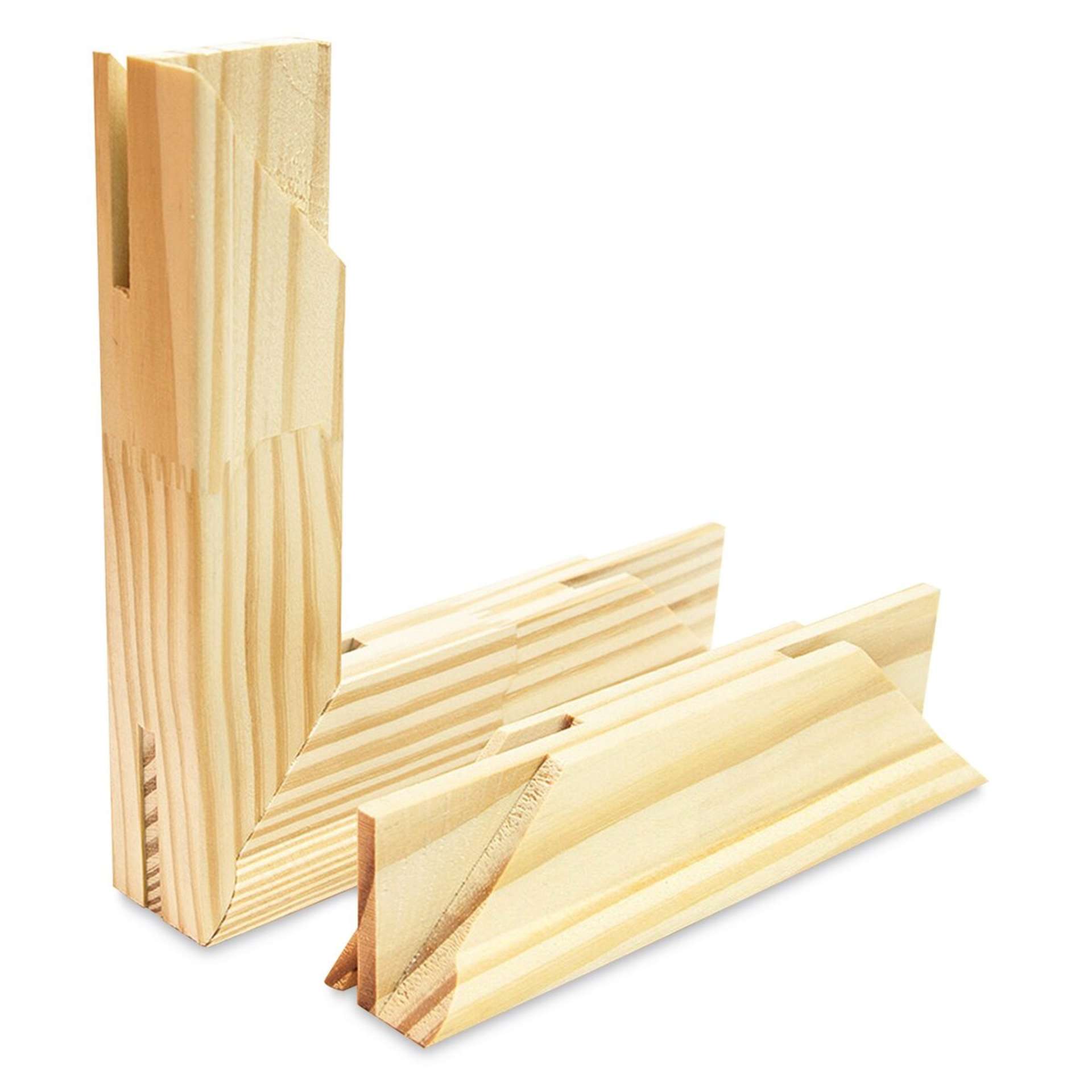
Heavy-Duty Stretchers
Canvas Rolls

Large Brushes

In the end, mastering scale is about intentionality. It’s an invitation to not only view the size of your canvas in terms of how it impacts the image, but also how it impacts you as the artist. Pay attention to the physical and mental shifts that occur when you change dimensions. By aligning the scale of your canvas with the pace of your thoughts, you don’t just improve the technical quality of your work—you deepen the authenticity of the “body language” you share with your audience.