✓Showcase your talent and win big in Artists Network prestigious art competitions! Discover competitions in a variety of media and enter for your chance to win cash prizes, publication in leading art magazines, global exposure, and rewards for your hard work. Plus, gain valuable feedback from renowned jurors. Let your passion shine through – enter an art competition today!
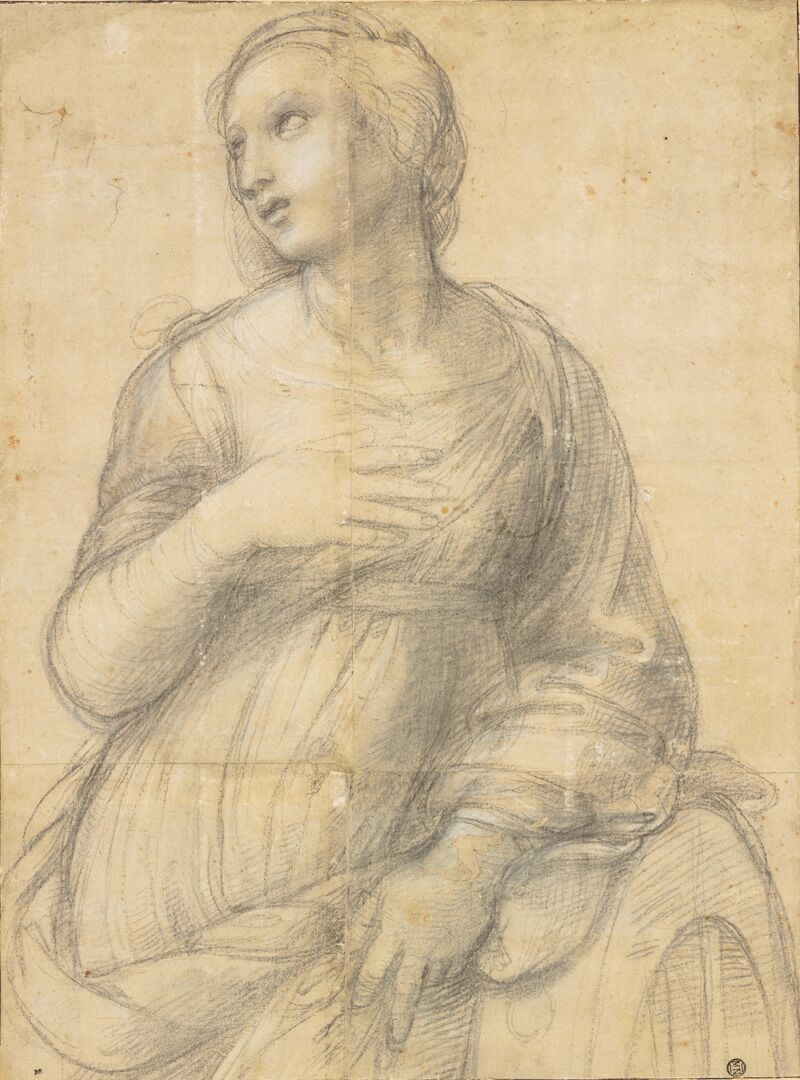
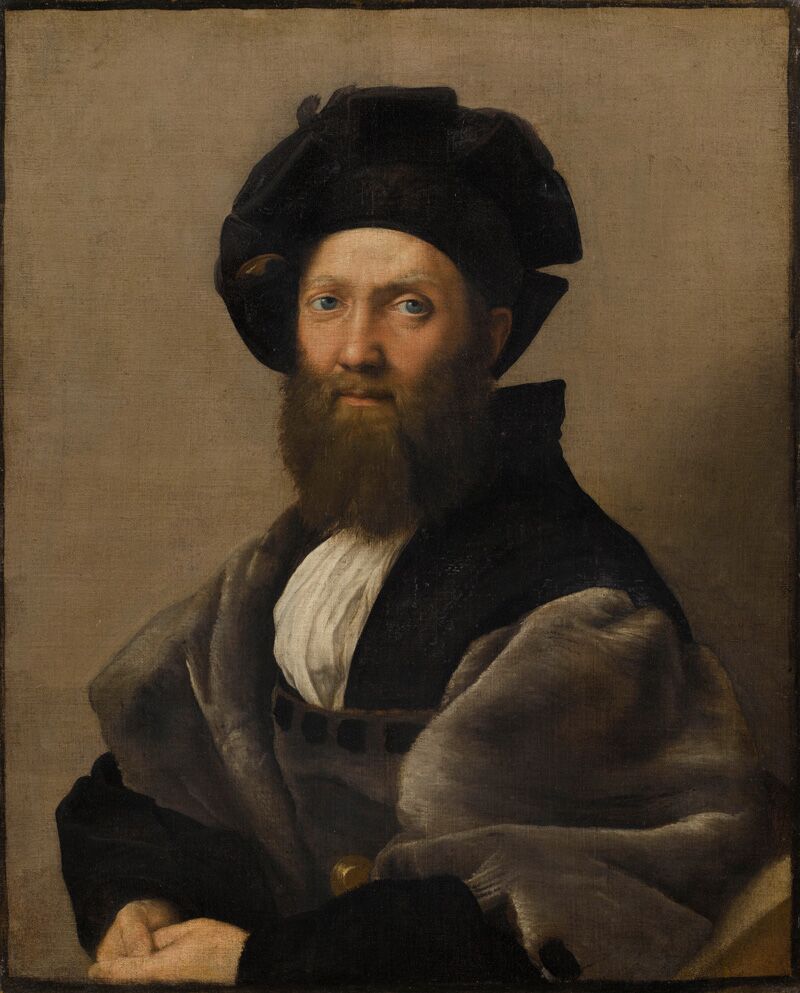
Renaissance titan Raphael, who died at the age of 37, left an outsized legacy in the history of art for one so young. It’s surprising that “Raphael: Sublime Poetry,” which opens March 29 at The Metropolitan Museum of Art (The Met), in New York City, and runs through June 28, marks the first comprehensive U.S. retrospective of the master’s work. For an artist synonymous with the pinnacle of High Renaissance art and architecture, the honor feels long overdue.
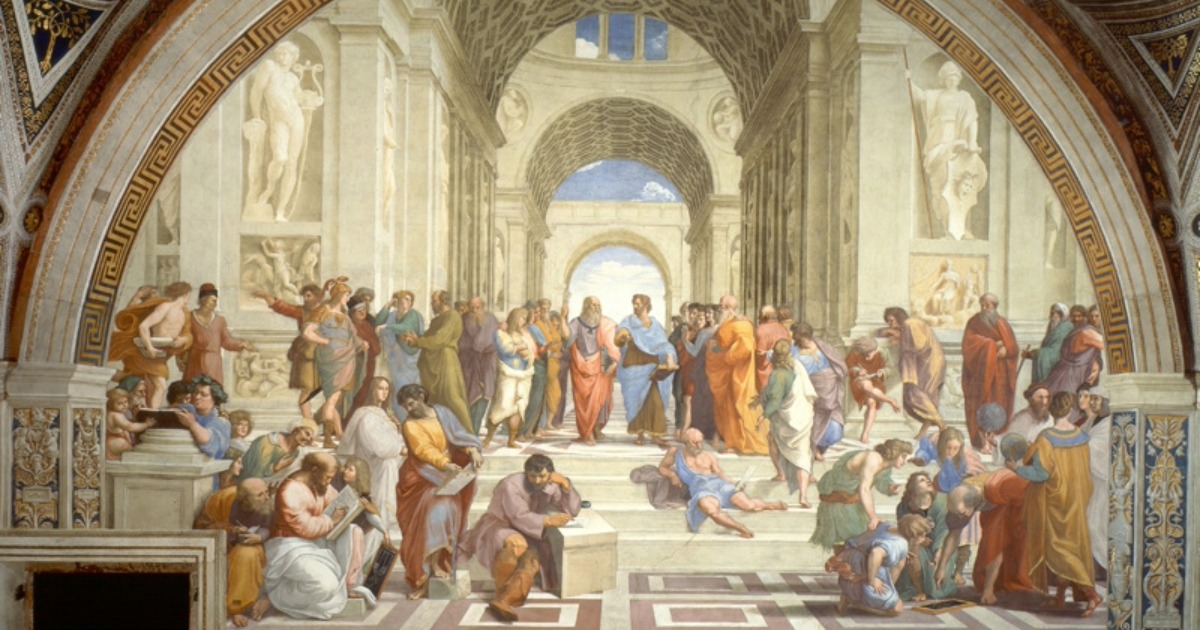
The School of Athens (1511; fresco, 18 x 25 1/4 feet) by Raffaello di Giovanni Santi Credit: Apostolic Palace, Pinacoteca Ambrosiana, Vatican Museums, 6306a Wikimedia commons
The fact that Raffaello di Giovanni Santi (Italian, 1483–1520) is known simply as Raphael acknowledges that this 15th-century artist has reached iconic status along with other giants of art history such as Michelangelo, Rembrandt, Van Gogh, and Picasso. Raphael’s short life overlapped two other Masters of the Renaissance— Leonardo da Vinci (Italian, 1452–1519) and Michaelangelo (Italian, 1475–1564), both of whom were older and lived longer than Raphael. This gave them a greater opportunity to produce more work in the fields of painting, architecture and design—creative arenas in which they all competed.
Leaving a Legacy
The U.S. exhibition, which brings together more than 200 of the artist’s greatest masterpieces and rarely seen treasures, offers a groundbreaking look at the brilliance and legacy of Raphael. “The seven-year journey of putting together this exhibition has been an extraordinary chance to reframe my understanding of this monumental artist,” says Carmen Bambach, the Marica F. and Jan T. Vilcek Curator in The Met’s Department of Drawings and Prints. “It’s a thrilling opportunity to engage with his unique artistic personality through the visual power, intellectual depth and tenderness of his imagery.”
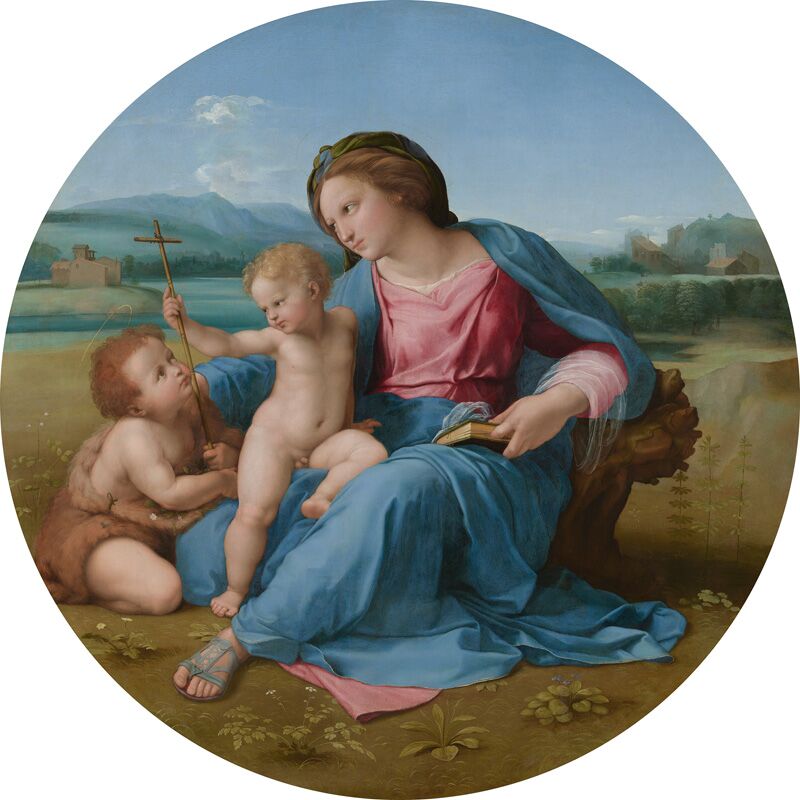
The Virgin and Child with Infant Saint John the Baptist in a Landscape (The Alba Madonna) (ca 1509–11; oil on canvas, [transferred from wood]) by Raffaello di Giovanni Santi Credit: National Gallery of Art, Washington, D.C., Andrew W. Mellon Collection (1937.1.24) Courtesy National Gallery of Art, Washington, D.C.
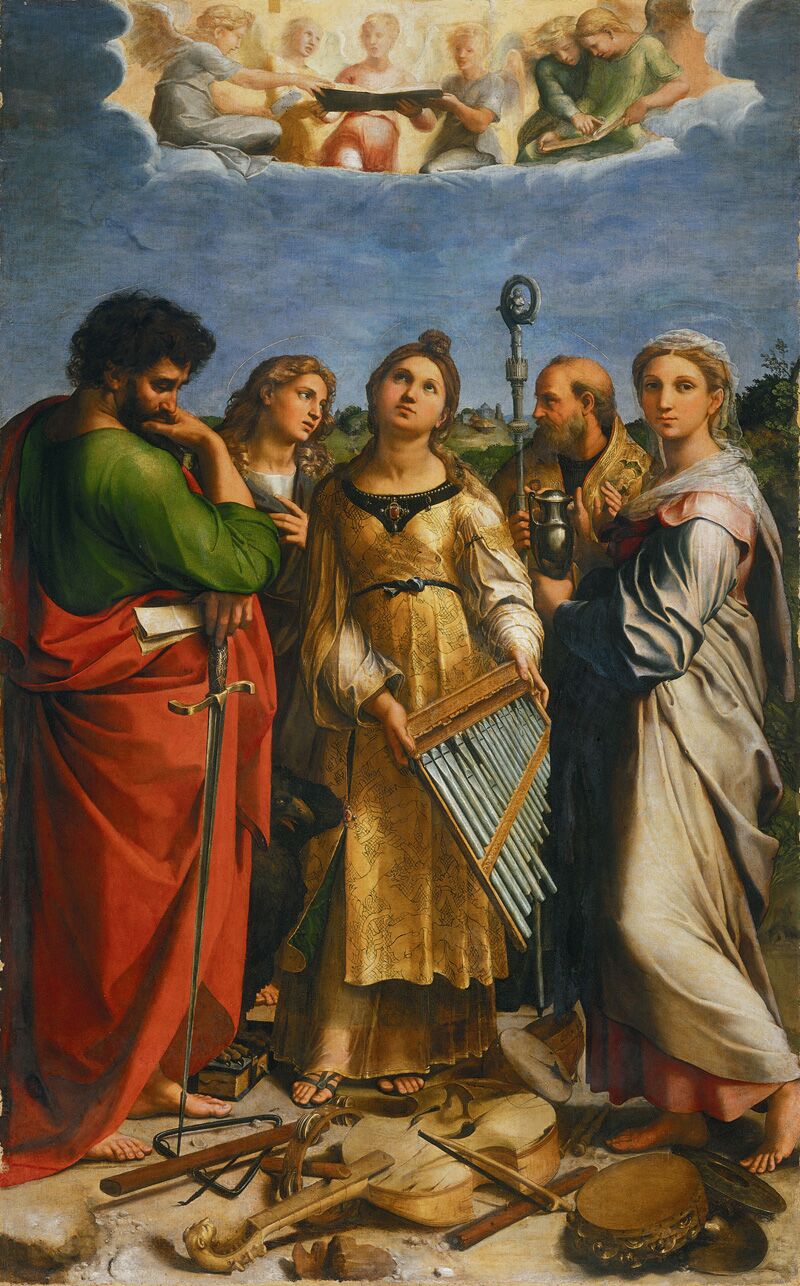
The Ecstasy of Saint Cecilia with Saints Paul, John the Evangelist, Augustine, and Mary Magdalene (ca 1515–16; oil on canvas, transferred from wood) by Raffaello di Giovanni Santi Credit: Polo Museale dell’Emilia Romagna, Pinacoteca Nazionale, Bologna (577) Image: Scala / Art Resource, NY
Though Raphael lived for a relatively short period of time, dying on his birthday in 1520, he achieved such profound success as a painter, designer, and architect that he was regarded as the pinnacle of artistic perfection for centuries after his death. That reputation continues today.
About the Author
Cynthia Close earned an MFA from Boston University and worked in various art-related roles before becoming a writer and editor.