





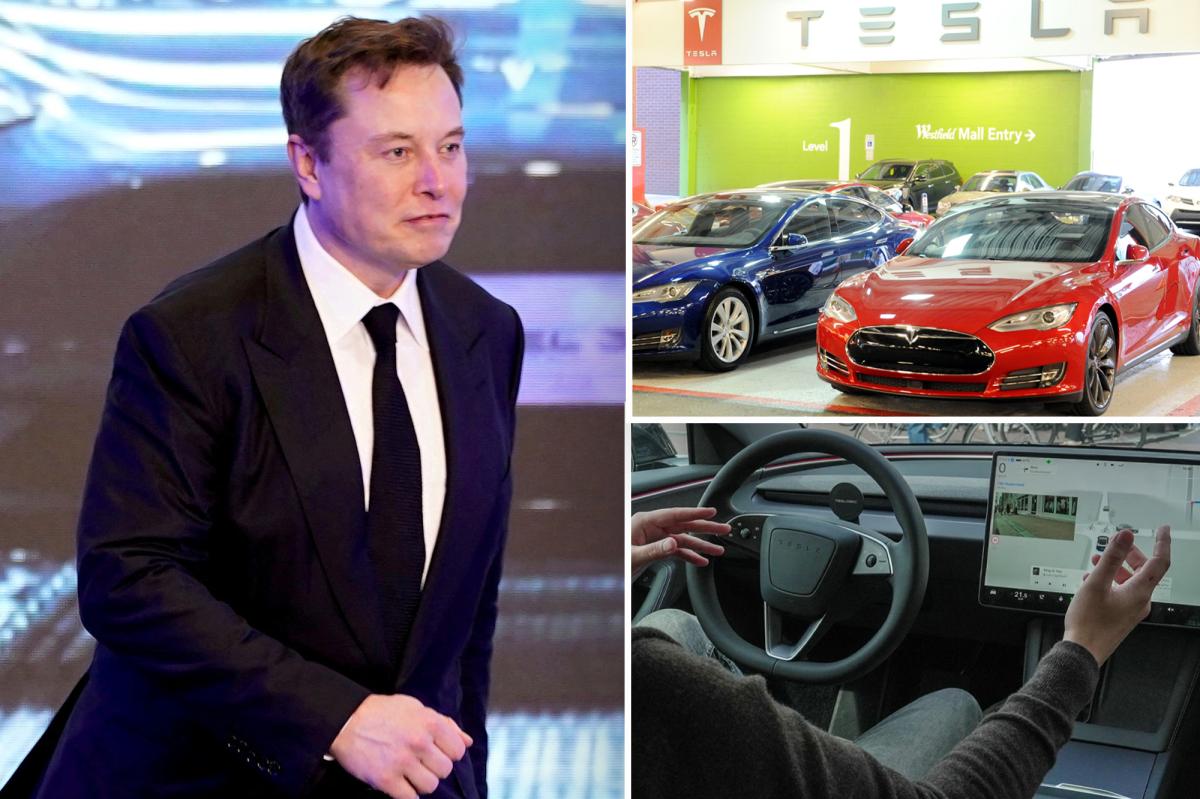
Elon Musk now faces a lawsuit from Tesla owners who claim his company misled them about self-driving technology capabilities. The legal action alleges Tesla’s marketing around its Autopilot and Full Self-Driving features didn’t match reality.
The New York Post reported the lawsuit today, and the story quickly gained traction on social media with over 1,300 likes. The angry Tesla customers say they were deceived by the automaker’s promises about what their cars could actually do.
This isn’t just about disappointed buyers. It’s a direct challenge to how Tesla has marketed some of its most expensive features. The Full Self-Driving package currently costs $15,000, and many customers expected their cars to handle most driving tasks without human intervention.
Tesla has been promising full self-driving capabilities for years. Musk has repeatedly said the technology is just around the corner, but the reality has been more complicated. Current Tesla vehicles can handle highway driving and some city streets, but they still require constant driver attention.
The lawsuit appears focused on whether Tesla’s advertising crossed the line into deceptive practices. Customer complaints often center on the gap between what they thought they were buying and what the technology actually delivers. Some owners say they felt misled by Tesla’s confident predictions about self-driving timelines.
Tesla’s Autopilot system has been available since 2015, while the more advanced Full Self-Driving package launched as a beta program. The company has consistently warned drivers to keep their hands on the wheel and stay alert, but critics argue the marketing language suggests more capability than exists.
Musk has made bold predictions about Tesla’s self-driving future. He’s claimed Tesla cars would become fully autonomous taxis, generating income for owners. These promises helped justify premium prices, but the timeline keeps shifting as the technology proves more challenging than expected.
The lawsuit comes as Tesla faces increased scrutiny from regulators. The National Highway Traffic Safety Administration has investigated several accidents involving Autopilot, and some safety advocates question whether the current technology is ready for widespread use.
Other automakers have taken more cautious approaches to self-driving technology. Companies like Waymo and Cruise have focused on limited geographic areas with detailed mapping. Tesla’s approach aims for broader capability but has struggled with edge cases and unexpected situations.
Legal experts say these cases often hinge on specific marketing claims versus actual product performance. If Tesla’s advertising promised capabilities the cars don’t have, that could support the customers’ claims. The company’s defense will likely focus on disclaimers and the evolving nature of the technology.
This lawsuit reflects broader questions about how companies should market emerging technologies. Self-driving cars represent a massive technical challenge, but consumer expectations are shaped by marketing materials and executive statements. Finding the right balance between optimism and accuracy isn’t easy.
For Tesla owners, this case represents their frustration with unmet promises. Many paid premium prices expecting revolutionary technology but received something more limited. Whether that gap constitutes false advertising will be up to the courts to decide.
The timing is particularly interesting as Tesla continues pushing its Full Self-Driving technology to more customers. The company recently expanded its beta program and continues developing new capabilities. But this lawsuit suggests some customers want accountability for past promises before embracing new ones.
Musk hasn’t responded publicly to the lawsuit yet, but Tesla rarely comments on pending litigation. The case will likely take months or years to resolve, but it highlights ongoing tensions between Tesla’s ambitious promises and current technological limitations.